How to Land a Tech Job With No Experience (Even When the Job Market Feels Rigged)
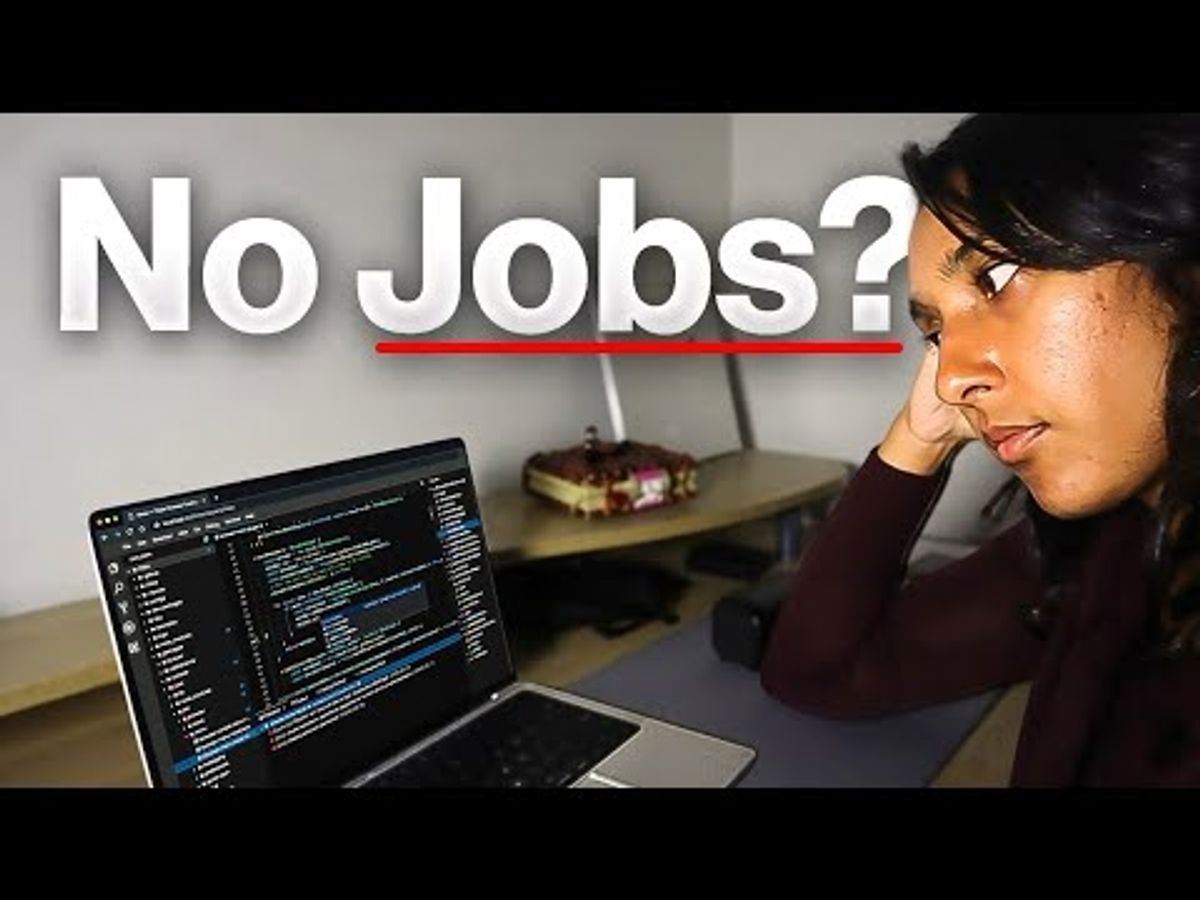
You've sent out 50 applications. Maybe 100.
Crickets.
Meanwhile, every "entry-level" job wants 2-3 years of experience, a portfolio that looks like a senior developer's, and skills you didn't even know existed until you read the job description. The system feels broken because, frankly, it kind of is.
Here's the reality: Entry-level hiring in the US grew by only 0.6% in 2025, despite initial predictions for much higher growth. Employers are prioritizing "immediate productivity" over potential, and AI is automating away many traditional entry points. In Canada, the job vacancy rate dropped to 2.9%, with youth unemployment hovering around 13%. The competition isn't just tough, it's brutal.
But here's what no one tells you: The problem isn't that you lack experience. The problem is that you're playing by rules designed to filter you out before a human even sees your name.
This guide will show you exactly how to flip the script when you're applying for a tech job with no experience. No fluff, no "just network harder" advice. Just the tactical playbook that actually works in 2025.
Why You're Getting Ghosted (Hint: It's Not Your Fault)
Let's talk about the real villain: the ATS (Applicant Tracking System).
Before your resume reaches a hiring manager, it gets scanned by software that's looking for specific keywords, formatting it can parse, and "relevant experience." If your resume doesn't check these boxes, it gets tossed into the digital void. No second chances. No human review.
The real reason you're not getting interviews often has nothing to do with your qualifications. It's because the bot rejected you in 6 seconds.
Here's the kicker: Most bootcamp grads and students use templates with fancy designs, multiple columns, or graphics. These look great to humans but are gibberish to ATS systems. The software can't read them, so it assumes you're unqualified.
The first step to landing a tech job with no experience isn't building more projects. It's making sure your resume can actually be read by the machines guarding the gate.
The Anti-Advice: Why "Just Network" Doesn't Work Anymore
You've heard it a million times: "Network your way in!"
Cool. Except informational interviews don't pay rent, and most people don't have a LinkedIn full of CTOs waiting to vouch for them. Networking is useful, but it's not a replacement for a system that works at scale.
If you're applying to 50+ jobs, you can't handcraft every resume and cover letter from scratch. You need automation that doesn't sacrifice quality. That's the gap most advice ignores.
Step 1: Turn Your "Projects" Into "Experience" on Your Resume
When you have no formal work experience, your resume needs to reframe what counts as experience.
Here's the secret: Projects ARE experience. You just need to present them like a developer would present their work at a real job.
Format for ATS Success
First, fix your formatting. Use a single-column layout with clear section headers like "Technical Projects" or "Development Experience." Avoid tables, text boxes, or graphics.
Want to know if your current resume would pass? Run it through the free ATS checker to see what the bot actually sees. You'll probably be horrified. That's good, it means you can fix it.

Side-by-side comparison of ATS-friendly vs. ATS-nightmare resume formats
Reframe Projects as Professional Experience
Instead of listing projects as hobby work, structure them like job experience:
Bad Example:
- Built a weather app using React
Good Example:
- Developed full-stack weather application using React and Node.js, implementing RESTful API integration and responsive design for 500+ user sessions
- Optimized load time by 40% through code splitting and lazy loading techniques
See the difference? The second version uses action verbs, quantifies impact, and includes technical keywords that ATS systems scan for.

Build an entry-level resume with zero work history using the skills + projects + education formula. Turn bootcamp work into professional experience.
📝 Video Transcript
The Technical Skills Section Strategy
Create a dedicated "Technical Skills" section near the top. List programming languages, frameworks, tools, and platforms you've actually used. This is keyword gold for ATS systems.
Example:
- Languages: JavaScript, Python, Java, SQL
- Frameworks/Libraries: React, Node.js, Express, Django
- Tools: Git, GitHub, VS Code, Postman
- Platforms: AWS, Heroku, Firebase
Don't lie, but don't undersell either. If you built a project with it, you can list it.
For more details on which format works best, check out the best resume format for 2025 backed by ATS data.
Portfolio and GitHub Profile: Your Secret Weapons
Your GitHub profile is your proof of work. Link to it prominently on your resume.
Make sure your repositories have:
- Clean README files explaining what the project does
- Comments in your code
- Commit history showing consistent work
- Deployed versions (use Vercel, Netlify, or GitHub Pages)
Employers want to see that you can actually code, not just that you took a course. A live portfolio project beats a certificate every time.

Example of a well-organized GitHub profile with pinned repos
Step 2: Write a Cover Letter That Doesn't Sound Like Everyone Else's
Here's the harsh truth: Most cover letters are generic garbage.
"I am writing to express my strong interest in the Junior Developer position..." Stop. The hiring manager has read this exact sentence 47 times today.
Why Generic Templates Fail for Tech Jobs With No Experience
When you don't have traditional experience, your cover letter is your chance to connect the dots between your projects and the job's actual needs. Templates can't do this, they just regurgitate the same vague enthusiasm.
Understanding the difference between your cover letter and resume is critical. Your resume lists what you've done. Your cover letter explains why it matters for this specific role.
The Formula That Works
Use this three-part structure:
Part 1: Show you understand their problem
Research the company. What are they building? What challenges does their tech stack suggest? Open with something like: "I noticed your team is migrating to microservices architecture. Having built a distributed system using Docker and Kubernetes for my capstone project, I understand the complexity of..."
Part 2: Connect your projects to business value
Don't just say what you built. Explain what it solved. "This experience taught me how to break down monolithic applications, optimize container orchestration, and troubleshoot deployment issues, skills directly applicable to your platform modernization initiative."
Part 3: Position yourself as a fast learner
Acknowledge the gap but flip it: "While I'm early in my career, my track record shows I pick up new technologies quickly. I went from zero React knowledge to shipping a production-ready e-commerce app in 8 weeks."
For students and bootcamp grads, this guide on writing cover letters with no experience breaks down the psychology of what hiring managers actually want to read.
The Problem: Writing This for Every Application Is Impossible
If you're applying to 5-10 quality jobs per week (which you should be), you can't craft custom cover letters from scratch every time. You'll burn out or sacrifice quality.
This is where most people give up and go back to generic templates. Don't do that.
Step 3: Your Secret Weapon for Landing a Tech Job With No Experience
Let's be real. You need to move fast without sacrificing personalization.
This is where HiringMessage.com becomes your unfair advantage.
The AI Cover Letter Writer That Actually Understands Context
HiringMessage's AI cover letter writer doesn't spit out generic templates. It analyzes the job description, pulls relevant details from your background, and generates a tailored cover letter that connects your projects to what the company actually needs.
You input the job posting and your experience once. The AI handles the heavy lifting of making each letter feel custom-written.
The Resume Fixer for ATS
Remember that formatting nightmare? HiringMessage's ATS checker doesn't just tell you what's wrong. It shows you how to fix it and optimizes your resume for the specific keywords in each job description.
Real Results: Meet Joe
Joe was a bootcamp grad applying for junior developer roles at big tech companies. He had solid projects but couldn't get past the ATS.
After using HiringMessage to optimize his resume and generate tailored cover letters, he landed an interview at Amazon within two weeks. The recruiter specifically mentioned his cover letter stood out because it connected his capstone project to Amazon's leadership principles.
That's the difference between getting ghosted and getting noticed.
The Free Plan: Test It Risk-Free
You get 3 free credits when you sign up, then 1 free credit every 24 hours. No credit card required. This lets you test the system on real applications before deciding if you want to upgrade.

Screenshot of HiringMessage dashboard showing credit system and tools
Step 4: The Application System That Wins
Having the right tools isn't enough. You need a system.
Quality Over Quantity
Apply to 5-10 well-researched jobs per week instead of blasting 50 generic applications. Use HiringMessage to customize each one without spending hours per application.
Track Everything
Use a simple spreadsheet or tool to track:
- Company name
- Date applied
- Job title
- Follow-up date (set a reminder for 1 week out)
- Status
Job application tracking keeps you organized and helps you identify which types of roles and companies respond best.
Target Growth Sectors
Focus on companies in tech, healthcare tech, and sustainability tech. These sectors are still hiring entry-level talent in 2025. Finance and media have contracted.
Remote and hybrid roles have expanded, but understand that many entry-level positions still require in-person work. Filter your search accordingly.
Emphasize Adaptability and AI Literacy
Employers are looking for candidates who can adapt quickly and understand AI tools. If you've used ChatGPT to debug code, mention it. If you've experimented with AI APIs, feature it. Digital literacy is non-negotiable in 2025.

Infographic showing 2025 hiring trends for entry-level tech roles
The Honest Truth About Landing a Tech Job With No Experience in 2025
The market is tough. Employers want "immediate productivity," and automation is eating traditional entry points.
But here's what they don't tell you: Companies still need to hire. They're just more selective about who gets through the initial filter.
Your job isn't to have 3 years of experience. Your job is to make it past the ATS, tell a compelling story about your potential, and demonstrate that you can deliver value from day one.
The candidates winning right now aren't necessarily the most experienced. They're the ones who understand the system and play it smarter.
You have the projects. You have the skills. Now you need the system to get noticed.
Start with your free ATS check, fix what's broken, and then let the AI handle the heavy lifting on your cover letters. Apply consistently to quality roles. Follow up. Iterate based on feedback.
Landing a tech job with no experience isn't about luck. It's about having a repeatable system that works while everyone else is still following advice from 2015.
You've got this.
Frequently Asked Questions
Quick answers to common questions about this topic
How do I get a tech job with absolutely no experience?
Focus on building demonstrable projects, optimizing your resume for ATS systems, and writing cover letters that connect your projects to business value. Use tools like GitHub to showcase your work and emphasize your ability to learn quickly. The key is reframing personal projects as professional experience.
Do cover letters actually matter for entry-level tech jobs?
Yes, especially when you lack formal experience. A well-written cover letter can differentiate you from hundreds of other candidates with similar backgrounds. It's your opportunity to explain why your projects are relevant and position yourself as a fast learner who understands the role's requirements.
What's the best way to make my resume ATS-friendly?
Use a single-column format with clear headers, avoid graphics and tables, and include a dedicated technical skills section with relevant keywords. Test your resume with an ATS checker before applying. Make sure your projects are described with action verbs and quantifiable results.
How many jobs should I apply to per week as a bootcamp grad?
Aim for 5-10 quality applications per week rather than mass-applying to 50+ jobs. Customize each application to the specific role and company. Quality beats quantity when you're competing in a tight market.
Should I include my bootcamp certificate on my resume?
Yes, but position it as education or training rather than letting it be your main selling point. Your projects and technical skills matter more than the certificate itself. Employers care about what you can build, not just where you learned.
What programming languages should I focus on for entry-level tech jobs in 2025?
JavaScript (especially React), Python, and SQL remain in highest demand. If you're targeting specific sectors, research their common tech stacks. Healthcare tech often uses Python, while many startups use JavaScript frameworks. Demonstrate depth in 2-3 languages rather than surface knowledge of 10.
How long should my cover letter be for a tech job with no experience?
Keep it to 250-400 words, three to four short paragraphs. Focus on connecting your projects to the company's needs and demonstrating your learning ability. Hiring managers spend about 30 seconds on cover letters, make every sentence count.
Related Articles

How to Get a Tech Job With No Experience in 2026 (Even When Every Entry-Level Role Asks for 3 Years)
Stop getting ghosted by ATS rejecting 75% of resumes. Transform projects into professional experience using exact keywords and tailored cover letters.

The Ultimate Tech Internship Resume Guide: GitHub, Projects, & Portfolios
Learn how to write a tech resume that passes ATS filters in 2025. Get past HR with GitHub links, proper skills formatting, and LaTeX-based templates.

Why Resumes Fail ATS: Key Errors to Avoid
Why resumes fail ATS in 2026: Learn about parsing, keyword issues, formatting mistakes, and critical tips for optimizing entry-level resumes.