How to Tailor Your Resume to Job Descriptions
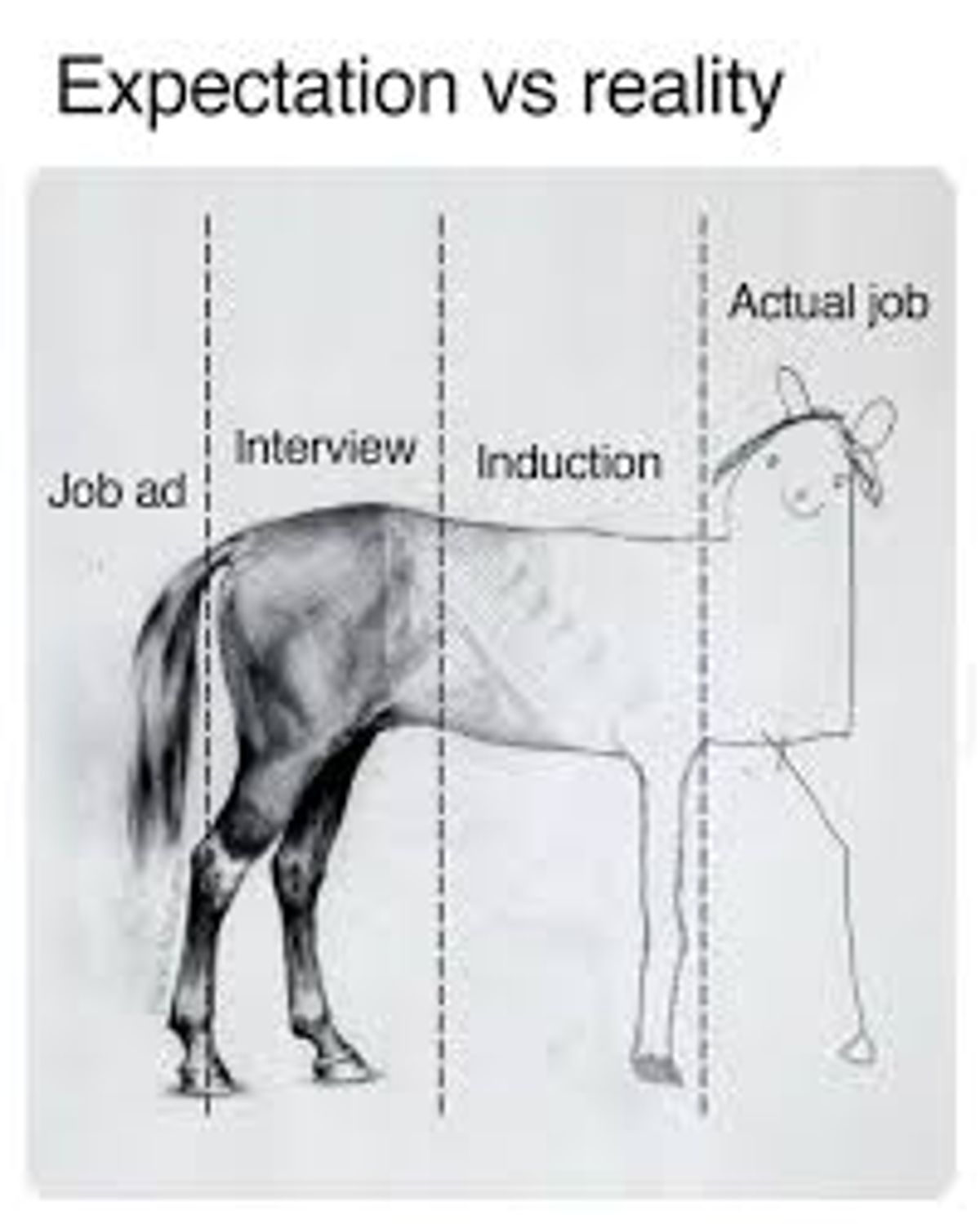
You've sent out 50 applications this month.
Radio silence.
Not even a rejection email. Just... nothing.
Meanwhile, that "entry-level" job you wanted? It's asking for 3 years of experience, proficiency in 12 technologies, and apparently the ability to read minds. The system feels rigged because, honestly, it kind of is.
Here's the truth: 67% of resumes never reach human eyes. They're filtered out by Applicant Tracking Systems (ATS) before a recruiter even knows you exist. And in 2025, the job market has gotten even tougher. Entry-level hiring in the U.S. grew by only 0.6% this year, and Canada's job vacancy rate dropped to 2.9%. Employers are being pickier, demanding immediate productivity, and AI is automating away the entry points you used to rely on.
But here's the good news: You don't need more experience. You need a smarter strategy.
This guide will show you how to beat the ATS bots, turn your projects into "real" experience, and automatically tailor your resume to every job description without rewriting from scratch. Let's fix this.

Why You're Getting Ghosted (Hint: It's Not You)
You're qualified. You've got projects. You've built things.
So why the silence?
Because there's a robot standing between you and the hiring manager, and it doesn't care how smart you are. It only cares about keywords.
The ATS Is the Real Villain
Applicant Tracking Systems scan resumes for specific terms from the job description. If your resume says "created a web app" but the job posting says "developed full-stack applications," the ATS might not make the connection. You get filtered out before anyone reads your actual skills.
Worse? Most entry-level candidates use generic, one-size-fits-all resumes. The ATS sees this instantly. No keyword matches = no interview.

Learn how Applicant Tracking Systems scan resumes, filter candidates, and why 75% get rejected before human review. Beat the ATS bot in 2025.
📝 Video Transcript
And let's be real: Employers in 2025 are prioritizing skills-based hiring. They want proof you can do the job right now, not potential. If your resume doesn't scream "I can handle this specific role," you're out.
This is exactly why good candidates get rejected. The real reason you're not getting interviews often has nothing to do with your qualifications and everything to do with how your resume is structured.

Step 1: Turn Your Projects Into "Experience" (The ATS Won't Know the Difference)
Here's a secret: The ATS doesn't care if you got paid. It only cares about what you did and whether it matches the job description.
That personal project where you built a budgeting app? That's not a hobby. That's software development experience.
Reframe Your Resume Structure
Stop putting everything under "Projects." Start using these sections instead:
- Technical Experience (for coding projects, freelance work, hackathons)
- Relevant Experience (for volunteer work, bootcamp projects, open-source contributions)
- Professional Experience (yes, even if it was unpaid)
For each item, write bullet points that mirror job descriptions. Use action verbs and quantify your impact.
Before (weak):
- Built a weather app using React
After (ATS-friendly):
- Developed full-stack weather application using React, Node.js, and OpenWeather API, serving 200+ users daily
See the difference? The second version includes keywords ("full-stack," "Node.js," "API") and shows measurable impact.
Match Keywords From the Job Posting
Open the job description. Highlight every technical skill, tool, and responsibility mentioned. Now, go through your resume and make sure those exact terms appear where relevant.
If the job says "JavaScript frameworks," don't just list "React." Say "JavaScript frameworks (React, Next.js)." The ATS is looking for exact matches.
Pro tip: Use a free ATS checker to scan your resume against the job description. It'll show you exactly which keywords you're missing and how well your resume scores.
Format Like Your Life Depends On It (Because Your Interview Does)
ATS systems hate creativity. Two-column layouts? Fancy fonts? Headers in text boxes? All of that breaks the parser, and your carefully crafted resume becomes digital gibberish.
Stick to a single-column, chronological format. Use standard section headers like "Experience," "Education," and "Skills." Save as a .docx or PDF (check the job posting for which they prefer). The best resume format for 2025 is designed specifically to pass ATS systems while still looking professional to humans.

Step 2: Stop Sending Generic Cover Letters (They Can Tell)
You know what hiring managers hate? Cover letters that start with "I am writing to express my interest in the position."
No kidding. That's why you're applying.
Generic templates scream "I didn't try." And in a market where employers are drowning in applications, you need to stand out immediately.
Connect Your Projects to Business Value
Here's the formula: Your project + Their problem = Perfect fit.
Let's say you're applying for a junior developer role at a startup. Don't just say "I built a to-do app." Say this:
"I developed a task management application that improved user productivity by 30% through intuitive UI design and real-time sync features. I understand your team is focused on rapid feature deployment, and my experience with agile workflows and CI/CD pipelines would help accelerate your product roadmap."
You just showed them you understand their needs AND you have relevant skills. That's how you get interviews.
Tailor Each Cover Letter (Without Losing Your Mind)
Yes, you should customize every cover letter. No, you shouldn't spend an hour rewriting it from scratch.
Use an AI cover letter writer to generate tailored drafts in seconds. Feed it the job description and your resume, and it'll produce a cover letter that matches the company's language and highlights your most relevant experience.
For students and career switchers, this guide on writing cover letters with no experience breaks down exactly how to position yourself when you're just starting out.
And remember: Your cover letter and resume serve different purposes. Understanding the difference will help you use each document strategically.

Step 3: Use AI to Automate the Boring Stuff (Your Secret Weapon)
Let's be honest: Tailoring every resume and cover letter manually is exhausting. You'd need to spend 30-45 minutes per application just to get the keywords right.
That's where automation comes in.
Meet Your New Best Friend: HiringMessage
HiringMessage is designed to solve exactly this problem. It's an AI-powered platform that helps you automatically tailor resumes and cover letters to any job description.
Here's how it works:
ATS Resume Checker: Upload your resume and paste the job description. The tool scans for keyword matches, formatting issues, and missing skills. It gives you a score and tells you exactly what to fix.
AI Cover Letter Writer: Input the job posting and your background. The AI generates a custom cover letter that connects your experience to the company's needs using their exact language. No more staring at a blank page.
Experience Miner: This feature pulls relevant projects and skills from your background and reformats them to match the job description. It's like having a career coach who rewrites your bullet points for you.
The best part? You get 3 free credits when you sign up, then 1 free credit every 24 hours. No credit card required. Just create an account and start tailoring.
Real Results: Meet Joe
Joe was a bootcamp grad applying to software engineering roles. He sent out 40 applications using a generic resume and got zero responses.
Then he used HiringMessage to tailor his resume and cover letter for an Amazon junior developer role. He matched every keyword, highlighted his relevant projects, and explained how his capstone project solved a problem similar to one Amazon was facing.
He got the interview within 48 hours.
That's the power of a targeted application. The robots let him through, and the hiring manager actually read his stuff.
Step 4: Build a System (Consistency Beats Luck)
Automation is great, but it won't land you a job if you only apply to 2 roles a month.
You need a system.
The 5-10 Rule
Apply to 5-10 quality jobs per week. Not 50 spray-and-pray applications. Not 1 perfect application. Somewhere in between.
For each job:
- Tailor your resume using HiringMessage's ATS checker
- Write a custom cover letter (or use the AI writer to draft it)
- Track the application in a spreadsheet (company, role, date, status)
- Follow up after 1 week if you haven't heard back
This takes about 15-20 minutes per application with automation. That's 2-3 hours a week total. Manageable, sustainable, and way more effective than mass-applying with a generic resume.
Focus on the Right Sectors
Not all industries are hiring equally. In 2025, tech, healthcare, and sustainability are still growing. Finance and media? Not so much.
Target companies in high-demand sectors. Look for roles that emphasize digital literacy, AI tools, and remote work flexibility. These employers are more likely to value your bootcamp projects and self-taught skills.
And don't sleep on smaller companies. Startups and mid-sized firms often have less competitive applicant pools and more flexible "experience" requirements.

What NOT to Do (The Advice That's Keeping You Stuck)
Let's talk about the job search advice that sounds good but actually sabotages your chances.
"Just Network Your Way In"
Networking is valuable, but it's not a magic bullet. In 2025, cold LinkedIn messages have a 10% response rate at best. Informational interviews are great if you can land them, but most entry-level candidates don't have the connections to make this work consistently.
Focus on what you can control: your resume, cover letter, and application quality. Networking is a supplement, not a replacement.
"Apply to Everything"
Quantity without quality is a waste of time. If you're sending out 100 generic applications, you're just training the ATS to reject you faster.
5-10 tailored applications will outperform 100 generic ones every single time.
"You Need an Internship First"
Not anymore. Employers are shifting to skills-based hiring. If you can prove you have the skills through projects, freelance work, or bootcamp experience, you're competitive.
Don't let the "you need experience to get experience" mindset hold you back. Reframe your projects as experience and apply anyway.

Your Action Plan (Start Today)
You don't need to fix everything at once. Here's what to do right now:
Today:
- Run your current resume through the ATS checker to see where you stand
- Pick one job description and manually tailor your resume to match its keywords
This Week:
- Sign up for HiringMessage and use your free credits to generate tailored cover letters
- Apply to 5 quality jobs with customized applications
- Set up a tracking spreadsheet to monitor your progress
This Month:
- Apply to 20-40 jobs using your new system
- Refine your resume based on which applications get responses
- Reach out to 3-5 people in your target industry for informational interviews (but don't rely on this alone)
The job market is tough right now. Entry-level roles are scarce, and competition is fierce. But you're not powerless.
With the right strategy and the right tools, you can beat the ATS, stand out from the crowd, and land interviews even without traditional experience.
Stop rewriting from scratch. Start using automation to work smarter, not harder.
Ready to stop getting ghosted? Sign up for HiringMessage and get 3 free resume tailoring credits today. No credit card required. Just results.
Frequently Asked Questions
Quick answers to common questions about this topic
How do I tailor my resume to a job description without experience?
Focus on transferable skills from projects, coursework, volunteer work, or bootcamp experience. Use the exact keywords from the job description in your bullet points. Reframe your "Projects" section as "Technical Experience" or "Relevant Experience" to make it sound more professional. The ATS doesn't care if you got paid—it only cares about keyword matches.
What is an ATS-friendly resume format?
An ATS-friendly resume uses a single-column layout, standard fonts (Arial, Calibri, Times New Roman), and clear section headers like "Experience," "Education," and "Skills." Avoid tables, text boxes, images, and fancy formatting that breaks the ATS parser. Save as .docx or PDF based on the job posting's instructions.
Can AI really help me write better cover letters?
Yes, if used strategically. AI tools like HiringMessage analyze the job description and generate tailored cover letters that match the company's language and highlight your relevant experience. You should still review and personalize the output, but AI saves hours of rewriting and ensures you hit key themes.
How many jobs should I apply to per week?
Aim for 5-10 quality applications per week. Tailored applications have a much higher success rate than mass-applying with a generic resume. Focus on roles where you meet 60-70% of the requirements and customize your resume and cover letter for each one.
Do cover letters actually matter for entry-level jobs?
Yes, especially when you're competing with dozens of other candidates. A strong cover letter shows you've researched the company and understand how your skills solve their specific problems. It's your chance to explain why you're a great fit despite lacking traditional experience.
What if the job description asks for skills I don't have?
Apply anyway if you meet 60-70% of the requirements. Emphasize the skills you do have and show how they're transferable. For missing skills, mention your ability to learn quickly and provide examples of technologies you've picked up on your own. Employers value adaptability, especially for entry-level roles.
How long should my resume be if I have no experience?
One page. Entry-level resumes should be concise and focused. Highlight your strongest projects, technical skills, education, and any relevant coursework or certifications. Use bullet points to show impact and avoid filler content. Quality over quantity always wins.
Related Articles

How to Get a Tech Job With No Experience in 2026 (Even When Every Entry-Level Role Asks for 3 Years)
Stop getting ghosted by ATS rejecting 75% of resumes. Transform projects into professional experience using exact keywords and tailored cover letters.

The Ultimate Tech Internship Resume Guide: GitHub, Projects, & Portfolios
Learn how to write a tech resume that passes ATS filters in 2025. Get past HR with GitHub links, proper skills formatting, and LaTeX-based templates.

Why Resumes Fail ATS: Key Errors to Avoid
Why resumes fail ATS in 2026: Learn about parsing, keyword issues, formatting mistakes, and critical tips for optimizing entry-level resumes.