Why Your Resume Gets Ghosted Before a Human Sees It (And How to Land a Tech Job With No Experience)
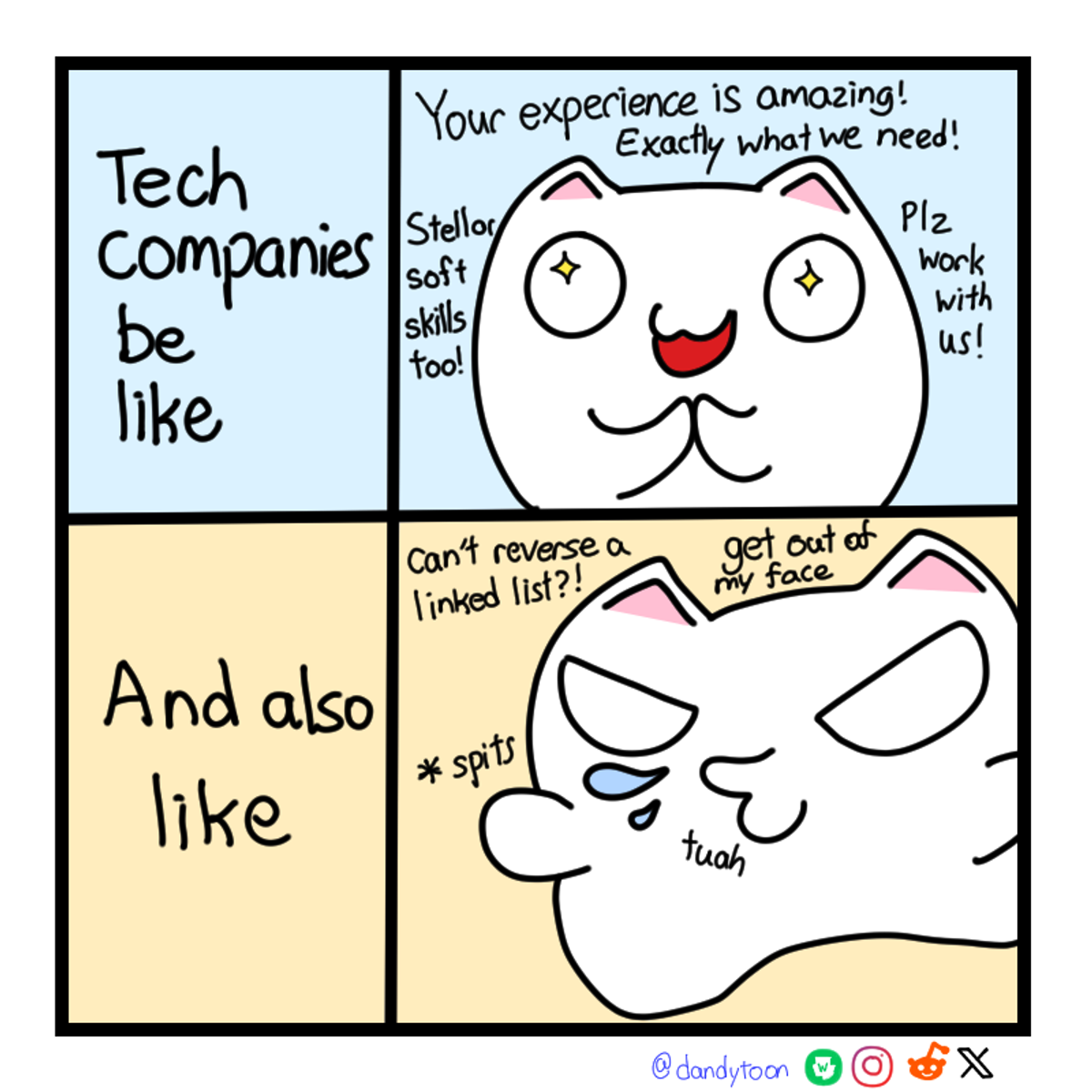
You've sent out 50 applications this week.
Zero responses.
Not even a rejection email. Just... silence. The void. The modern-day equivalent of shouting into a black hole and wondering if anyone's listening.
Here's the truth: nobody is listening. At least, not a human. Your resume isn't getting ghosted by recruiters. It's getting filtered out by robots before a human ever sees it.

Learn how Applicant Tracking Systems scan resumes, filter candidates, and why 75% get rejected before human review. Beat the ATS bot in 2025.
📝 Video Transcript
Welcome to 2025, where entry-level hiring has essentially flatlined with only a 0.6% increase compared to last year, and AI is doing the dirty work of rejecting 75% of candidates before they reach a human inbox. You're not imagining it. The system is rigged. But you can beat it.
This guide will show you exactly how to land a tech job with no experience by outsmarting the Applicant Tracking System (ATS), turning your projects into "experience," and using AI tools to level the playing field.
Let's fix this.
The Real Villain: Why the ATS Robot Hates Your Resume
You think you're applying to companies. You're not. You're applying to software.
Every time you hit "submit" on a job portal, your resume gets fed into an Applicant Tracking System. This ATS scans your document for keywords, reads your formatting, and gives you a compatibility score. If you score below the threshold (usually around 70-80%), your resume gets auto-rejected. No human ever sees it.
Here's what makes this soul-crushing: you could be the perfect candidate, but if your resume says "collaborated on team projects" instead of "cross-functional team collaboration," the robot tanks your score.

The ATS isn't looking for the best candidate. It's looking for the best keyword match. This is why "entry-level" jobs ask for 3+ years of experience. They're not trying to be cruel (okay, maybe a little). They're trying to filter out anyone who doesn't mirror the exact language of the job description.
Employers are prioritizing immediate productivity over potential. They want robots to find humans who look like robots. And if your resume doesn't speak robot, you're toast.
Want to see how your resume scores? Run it through a free ATS checker that shows you exactly where you're losing points.
The Anti-Advice Section: Why Standard Career Tips Are Sabotaging You
Let's talk about the advice that's been failing you.
- "Just network!" Sure, if you already have connections. But when you're a bootcamp grad or career switcher with no industry contacts, cold LinkedIn messages get ignored 90% of the time.
- "Tailor your resume for every job." Great advice. Except it takes 2 hours per application, and you need to apply to 50+ jobs just to get 3 interviews. The math doesn't work.
- "Show your passion!" Companies don't hire passion. They hire skills that solve problems. Your enthusiasm for coding doesn't matter if your resume doesn't pass the ATS.
The real issue? Traditional advice assumes humans are reading your applications. They're not. You need a strategy that beats the bot first, then impresses the human second.
That's what the rest of this guide delivers.
Step 1: Turn Your Projects Into "Experience" (Without Lying)
Here's the secret entry-level candidates don't realize: your side projects ARE your experience.
You don't need a job title to prove you can code. You need proof you can solve real problems. The ATS doesn't care if you built something at Google or in your bedroom at 2am. It cares about keywords and context.
How to Reframe Projects as Professional Experience
Instead of a sad "Projects" section at the bottom of your resume, create an "Experience" section that treats your projects like jobs.
Before (Weak):
textProjects: - Built a weather app using React
After (Strong):
textFull-Stack Developer | Personal Portfolio Project Jan 2025 - Present - Engineered responsive weather application using React, Node.js, and OpenWeather API - Implemented RESTful API integration reducing data fetch time by 40% - Deployed production-ready application on Vercel with 99.9% uptime
See the difference? The second version uses action verbs (engineered, implemented, deployed), includes metrics (40%, 99.9%), and mirrors language from real job descriptions.

The Critical Formatting Rules That ATS Robots Demand

Avoid the 5 fatal resume formatting errors that trigger ATS auto-rejection. See real examples with fixes to pass robot filters and land interviews.
📝 Video Transcript
This is where most candidates lose the game before it starts. The ATS can't read fancy resume templates. If your resume has:
- Two-column layouts
- Text boxes or tables
- Headers/footers with contact info
- Graphics or logos
- Unusual fonts
...the ATS literally can't parse it. Your resume looks like gibberish to the robot, so you get auto-rejected.
The winning format:
- Single-column layout
- Standard fonts (Arial, Calibri, Times New Roman)
- Clear section headers (Experience, Education, Skills)
- Bullet points (not paragraphs)
- .docx or PDF format (check the application instructions)
Need a template that actually works? Check out the best resume format for 2025 backed by ATS data with examples that pass the robot test.
Keyword Optimization Without Keyword Stuffing
Open the job description. Copy every skill and qualification they mention. Now mirror that exact language in your resume.
If they say "Python," don't say "Python programming." If they want "Agile methodology," don't write "Agile experience." Match. The. Words. Exactly.
But don't just dump keywords at the bottom. Weave them into your bullet points naturally:
- "Developed REST APIs using Python and Flask framework"
- "Participated in Agile sprint planning and daily standups"
- "Created unit tests achieving 85% code coverage with Jest"
The ATS scans for frequency AND context. Keywords alone don't work. Keywords embedded in achievement statements do.
Step 2: Why Your Generic Cover Letter Is Killing Your Chances
You're probably thinking: "Do cover letters even matter anymore?"
Yes. But only if you write them correctly.
Here's what doesn't work: templates. Those "To Whom It May Concern" letters where you swap the company name and call it a day. Recruiters spot these instantly, and they signal you don't actually care about the role.
What does work? Connecting your specific projects to the company's actual needs. This is what separates you from the 200 other candidates with similar resumes.
The Formula for Standout Cover Letters
Your cover letter needs three things:
- A hook that shows you researched the company. Mention a recent product launch, funding round, or mission statement.
- A story that connects your project to their problem. Don't just say you "built an app." Explain how that app solves the exact problem they're hiring for.
- Proof you understand business value. Companies don't hire developers to "write code." They hire developers to increase revenue, reduce costs, or improve user experience. Frame your achievements in business terms.
Example opening:
textI noticed Acme Corp just launched its new mobile checkout feature. As someone who reduced cart abandonment by 30% in my e-commerce project, I immediately saw how my experience aligns with your focus on conversion optimization.
That's specific. That's researched. That's what gets you to the interview stage.
If writing tailored cover letters for 10 jobs per week sounds exhausting, you're right. That's why tools like the AI cover letter writer exist. You input the job description, it generates a customized letter in 30 seconds, and you edit for authenticity. It's not cheating. It's efficiency.
For more detail on writing cover letters when you have zero traditional experience, read how to write a cover letter with no experience.
And if you're confused about whether you even need both documents, here's why you need both a cover letter and resume for entry-level jobs.
Step 3: Your Secret Weapon (HiringMessage.com)
Let's be honest: you're competing against hundreds of candidates for every entry-level role. Many of them have better credentials, more experience, and insider referrals.
You need an edge.
That edge is automation. Not the kind that makes your application look robotic, but the kind that lets you compete at scale without burning out.
How HiringMessage Works
The ATS Checker analyzes your resume against job descriptions and tells you exactly which keywords you're missing, which formatting errors are killing your score, and how to fix it. No more guessing. No more black box rejections.
The AI Cover Letter Writer generates tailored cover letters that connect your experience to the specific job requirements. You're not starting from scratch every time. You're starting from 80% done, then personalizing the final 20%.
The Experience Miner pulls stories and achievements from your background (even non-tech jobs, volunteer work, and personal projects) and translates them into bullet points that resonate with hiring managers.
Here's the model: 3 free credits when you sign up, then 1 free credit every 24 hours. This isn't a paywall designed to block you. It's a system that lets you apply to quality jobs consistently without spending a fortune.
Real Results: The Joe Story
Joe was a bootcamp grad applying to 100+ jobs with zero responses. He thought his resume was fine. It wasn't. His formatting broke the ATS, and his project descriptions were too vague.
He ran his resume through HiringMessage's ATS checker, fixed the formatting issues, and used the AI writer to create targeted cover letters for 10 companies. Within two weeks, he landed three interviews. One was Amazon. He got the job.
The difference? His resume finally passed the robot filter, and his cover letter showed he understood what Amazon actually needed (not just what he wanted to talk about).
You don't need connections. You don't need years of experience. You need documents that speak robot first, then human second.
Step 4: The System (Consistency Beats Perfection)
Here's the brutal math of job hunting in 2025:
- Average response rate: 2-5%
- Average interview-to-offer rate: 20-30%
- Applications needed for 1 offer: 50-100+
This isn't a sprint. It's a volume game. But volume doesn't mean spam. It means consistent, high-quality applications to roles you're actually qualified for.
The Weekly Application System
Monday-Wednesday: Research and target
- Identify 10-15 jobs that match your skills (ignore the "3 years experience" requirement if you have the technical skills)
- Read the job descriptions carefully and note repeated keywords
- Check company reviews and recent news
Thursday-Friday: Execute
- Customize your resume for each role using your ATS-optimized template
- Generate tailored cover letters (either manually or with AI)
- Apply during business hours (Tuesday-Thursday, 8am-11am gets higher response rates)
Weekend: Portfolio and learning
- Update your GitHub with clean, documented code
- Work on projects that match in-demand skills (AI/ML, cloud computing, mobile development)
- Engage with tech communities (Reddit, Discord, local meetups)
This is 5-10 quality applications per week. Not 50 rushed ones. Quality over quantity wins when you're competing against ATS systems that punish generic submissions.
The Follow-Up Strategy Nobody Teaches
If you don't hear back within a week, send a brief follow-up email to the hiring manager (find them on LinkedIn). Not a desperate "did you see my application?" message. A value-add message:
textSubject: Quick question about [Specific Project/Initiative] Hi [Name], I applied for the Junior Developer role last week and wanted to share a quick thought. I noticed [Company] is focusing on [specific technology/goal]. I recently built [related project] that tackles a similar challenge. Would love to discuss how my approach could add value to your team. [Link to project] Best, [Your Name]
This works because it's specific, demonstrates initiative, and gives them a reason to open your application.
Why Good Candidates Get Rejected (And It's Not Your Fault)
Let's address the elephant in the room: you're doing everything right, and you're still getting rejected.
This isn't about you. The market is genuinely terrible right now. Canada's job vacancy rate dropped to 2.9% in early 2025. Youth unemployment sits at 13%. Tech companies are automating entry-level roles instead of hiring humans.
But here's what you control: your positioning. If you want to understand the deeper reasons why qualified candidates get filtered out, read the real reason you're not getting interviews.
The short version? Most rejections happen because your application doesn't match the format, language, or specificity that hiring systems demand. Not because you lack skills.

This is fixable. And once you fix it, the interview requests start rolling in.
The Bottom Line: You're Not Competing Against Other Candidates, You're Competing Against a Filter
Landing a tech job with no experience in 2025 requires a two-phase strategy:
Phase 1: Beat the bot. Use single-column formatting, mirror job description keywords, and run your resume through an ATS checker before every application.
Phase 2: Impress the human. Write cover letters that connect your projects to business outcomes, quantify your impact with metrics, and demonstrate you understand what the company actually needs.
You don't need years of experience. You need an ATS-friendly resume, a portfolio that proves you can build, and a system that lets you apply consistently without burning out.
The tools exist. The strategy works. The only question is whether you're willing to stop doing what everyone else is doing and start doing what actually gets results.
Your next interview is waiting on the other side of a smarter application strategy. Go get it.
Frequently Asked Questions
Quick answers to common questions about this topic
How can I get a tech job with no experience?
Focus on building a portfolio of real projects, format your resume to pass ATS systems, and treat your projects as professional experience. Use specific technical keywords, quantify your impact with metrics, and apply to 5-10 quality jobs per week consistently.
What is an ATS and why does it reject my resume?
An Applicant Tracking System is software that scans resumes for keywords and formatting before humans see them. It rejects 75% of resumes due to incompatible formatting (columns, graphics, tables), missing keywords, or mismatched job description language.
Should I pay for a resume service or use AI tools?
AI tools like HiringMessage offer free credits and let you iterate quickly, which is more practical than one-time expensive resume services. The key is learning the principles (ATS optimization, keyword matching) so you can maintain your resume independently.
How many jobs should I apply to each week as an entry-level candidate?
Apply to 5-10 quality positions per week with customized resumes and cover letters. Mass-applying to 50+ jobs with generic documents results in lower response rates than targeted applications that match job requirements precisely.
Do I really need a cover letter for tech jobs?
Yes, but only if it's tailored. Generic cover letters hurt your chances. A strong cover letter connects your specific projects to the company's needs and demonstrates you researched their product, mission, or recent initiatives. Skip it entirely if you can't customize it.
How do I list projects on my resume if I have no job experience?
Create an "Experience" section (not "Projects") and format each project like a job. Include the project name as the "job title," dates you worked on it, and 3-4 bullet points using action verbs, technical keywords, and quantified results.
What's the biggest mistake entry-level candidates make on resumes?
Using fancy two-column templates that ATS systems cannot parse. This single formatting error causes immediate rejection before any human evaluates your qualifications. Always use single-column, text-based formats with standard fonts.
Related Articles

How to Get a Tech Job With No Experience in 2026 (Even When Every Entry-Level Role Asks for 3 Years)
Stop getting ghosted by ATS rejecting 75% of resumes. Transform projects into professional experience using exact keywords and tailored cover letters.

The Ultimate Tech Internship Resume Guide: GitHub, Projects, & Portfolios
Learn how to write a tech resume that passes ATS filters in 2025. Get past HR with GitHub links, proper skills formatting, and LaTeX-based templates.

Why Resumes Fail ATS: Key Errors to Avoid
Why resumes fail ATS in 2026: Learn about parsing, keyword issues, formatting mistakes, and critical tips for optimizing entry-level resumes.